Follow Me On Social Media!
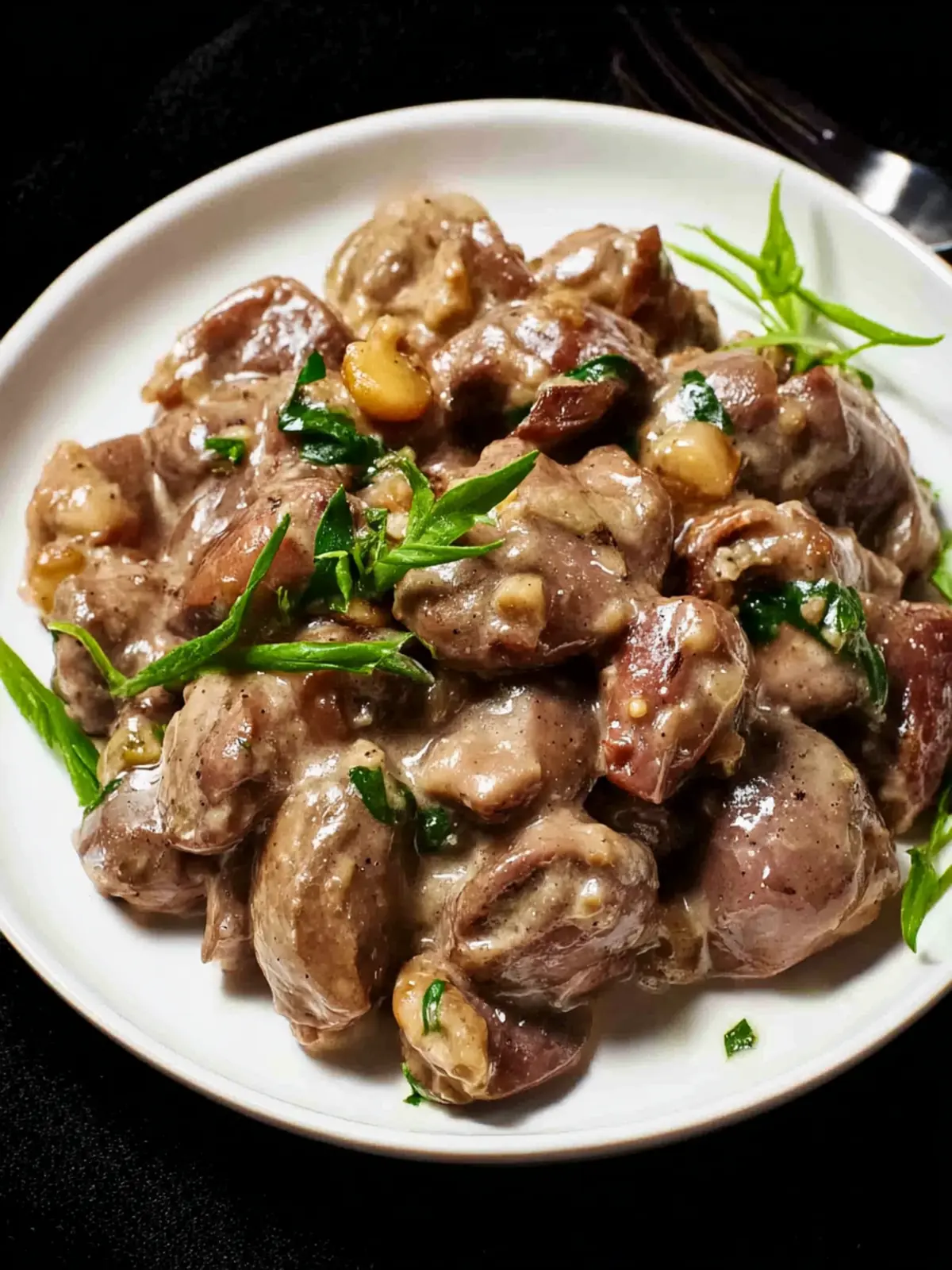
How to Cook Chicken Gizzards: A Juicy Guide to Flavorful Delights

Introduction to Chicken Gizzards
When you embark on the journey of cooking chicken gizzards, you’re not just preparing a meal; you’re stepping into a world rich with history and flavors that many have overlooked. Growing up in a family that cherished every part of the chicken, gizzards often found their way onto our dinner table, turning what some may consider an underdog ingredient into a family favorite. The joy of cooking with gizzards lies in their versatility and unique flavor.
Chicken gizzards, a part of the bird’s digestive system, are often misunderstood. These little treasures are packed with nutrients, boasting high levels of protein and iron, making them a healthier alternative to some more commonly consumed meats. They’re affordable, too, which makes them a fantastic option for young professionals navigating busy lives and tight budgets.
The textural experience of gizzards is another reason to give them a shot. When cooked properly, they develop a rich, tender consistency that can elevate any dish. You might be surprised to learn that chefs in various cultures have celebrated gizzards for generations, incorporating them into delicious stews, fried dishes, and more.
Thinking about how to cook chicken gizzards can initially feel daunting, but it’s simpler than you might think. A little attention to detail goes a long way. Gizzards may require a bit of prep, such as cleaning and trimming, but with just a few key techniques, they can shine in countless recipes. Imagine enjoying braised gizzards simmered in a savory broth or crispy fried pieces served on a bed of fresh vegetables.
In the following sections, I’ll share some easy-to-follow methods for cooking chicken gizzards that not only pay homage to this often-unappreciated cut but also transport you back to those shared family moments around the dinner table. You’ll learn how to embrace the heart of home cooking with these flavorful gems. So, let’s dive into the exciting world of chicken gizzards!
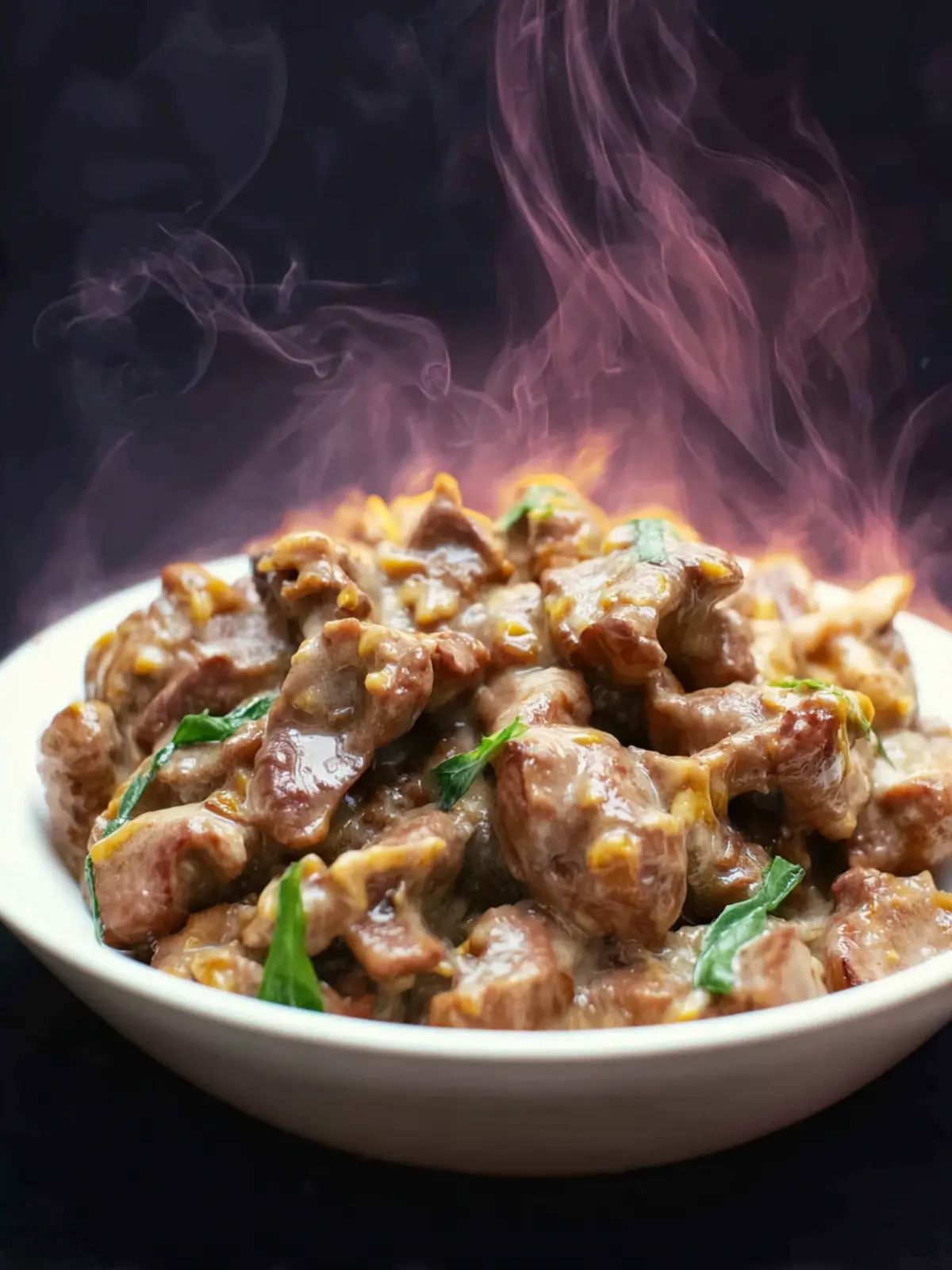
Key Ingredients for Chicken Gizzards
Cooking chicken gizzards is an adventure into savory delight, rich in flavor and deeply satisfying. Each ingredient plays a crucial role in transforming this often-overlooked cut of meat into a tantalizing dish that can impress anyone at the dinner table.
-
Chicken Gizzards: Of course, the star of the show is the gizzards themselves. Look for fresh, plump gizzards to ensure tender texture and robust flavor. They’re a great source of protein and have a unique richness unlike other poultry cuts.
-
Onion: I always add finely chopped onion to enhance the overall flavor profile. Sautéing it until translucent allows its natural sweetness to shine through, creating a lovely base for the gizzards.
-
Garlic: A couple of cloves of minced garlic add depth and warmth to the dish. For me, garlic is essential when cooking chicken gizzards, as it complements their hearty flavor perfectly.
-
Spices: Don’t hold back on the spices! A well-balanced blend of paprika, cayenne, and black pepper can elevate your gizzards to gastronomic heights. These spices not only add a kick but also bring out the wonderful savory notes of the gizzards.
-
Broth: Using chicken broth as your cooking liquid keeps the gizzards moist and infuses them with additional flavor. You can also substitute with vegetable broth for a lighter touch.
Each of these ingredients works harmoniously to create a dish that’s not only flavorful but also a true comfort food classic!
Why You’ll Love This Recipe
When you dive into the world of how to cook chicken gizzards, you open up a delightful culinary adventure that’s as rewarding as it is delicious. Unlike conventional chicken cuts, gizzards boast a unique texture and rich flavor that can elevate your meals to new heights. This recipe, steeped in tradition and comfort, will turn any gizzard skeptic into an enthusiastic fan.
Here are a few reasons that will have you falling in love:
-
Affordability: Chicken gizzards are an incredibly budget-friendly cut of meat. They provide an economical option for those looking to enjoy hearty, protein-rich meals without breaking the bank.
-
Flavorful and Rich: When prepared correctly, gizzards become tender and packed with flavor, making them a scrumptious addition to soups, stews, or served simply with sides.
-
Nutritional Punch: Gizzards are not only delicious but also chock-full of nutrients. They are high in protein, low in fat, and contain vital vitamins like B12 and iron.
-
Versatility: This recipe is incredibly adaptable! You can grill, sauté, or braise your gizzards. Add them to your favorite sauces or use them in salads for a gourmet twist.
As you embark on this culinary journey, you’ll discover that cooking chicken gizzards isn’t just a task; it’s an experience that’s sure to engage your palate and broaden your culinary repertoire.
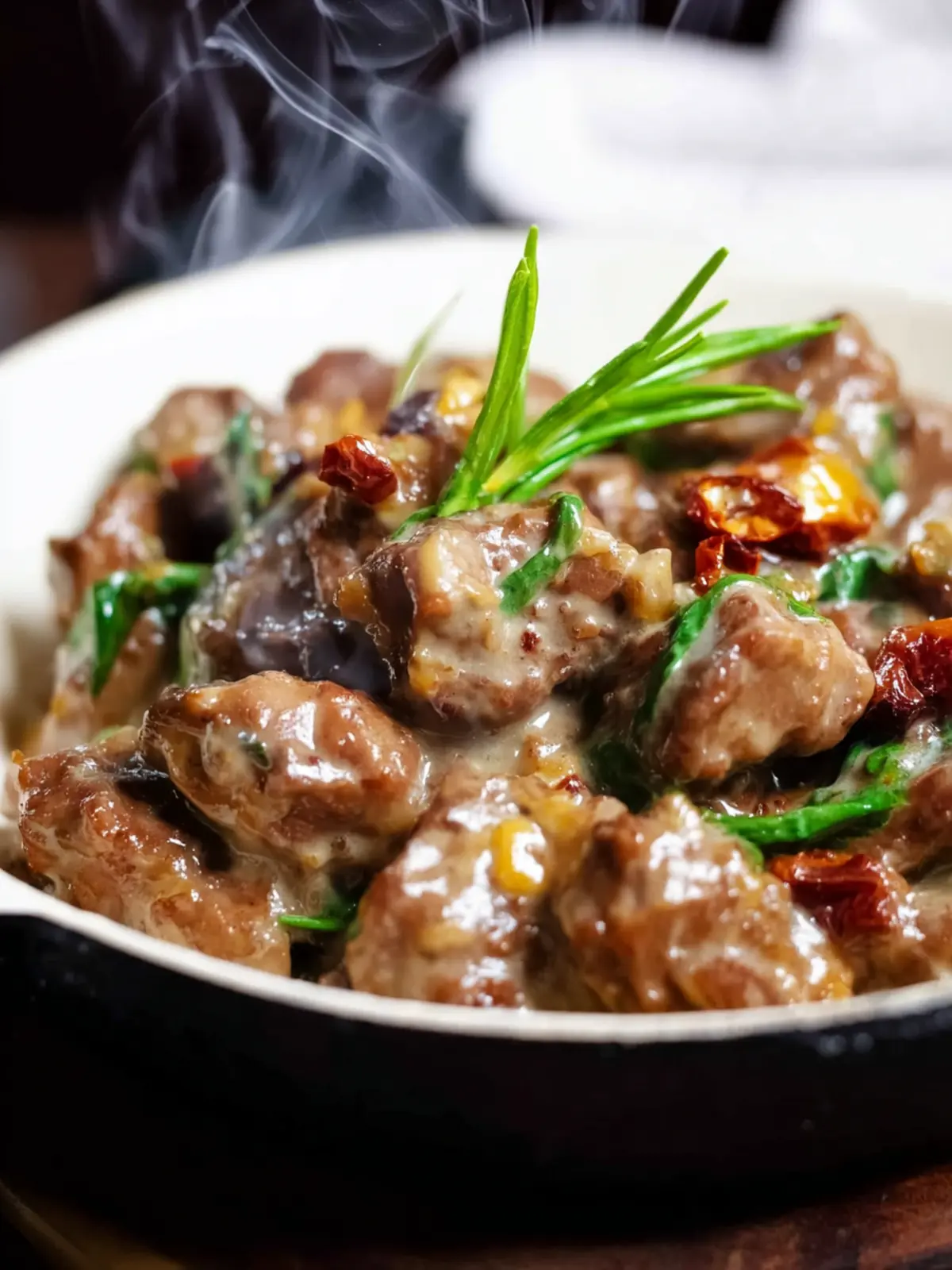
Cooking Tips and Notes
Learning how to cook chicken gizzards opens up a world of culinary delight that many young professionals overlook. These small, protein-packed pieces of poultry may initially seem unassuming, but with the right preparation and tips, you can transform them into a delicious dish that rivals what you’d find in a gourmet restaurant.
Choose the Right Freshness
Always start with fresh chicken gizzards from a reputable source. Fresh gizzards will have a vibrant color and a firm texture. If you purchase them from the grocery store, check the sell-by date and opt for vacuum-sealed packages when possible. Freshness will significantly affect both taste and tenderness when cooked.
Cleaning and Preparing Gizzards
Before diving into the cooking process, take time to clean your gizzards properly. Use cold water to rinse them thoroughly, removing any grit or impurities. Don’t hesitate to trim off any excess fat, as this will prevent your final dish from being too greasy.
Cooking Techniques Matter
When it comes to how to cook chicken gizzards, remember that cooking them low and slow can yield the best results. Simmering gizzards in broth or a flavorful marinade before sautéing or frying can make a world of difference in texture and taste. Aim for a simmer of about 45 minutes to an hour to ensure they become tender.
Seasoning is Key
Gizzards absorb flavors well, so don’t shy away from experimenting. Herbs like thyme, bay leaves, and parsley work beautifully. Additionally, spices such as paprika or cayenne can add depth. A well-seasoned marinade or brine will enhance the final dish significantly.
Try Different Cooking Methods
If you’re torn between cooking methods, consider trying a variety. Braising, grilling, or even sautéing gizzards can yield deliciously different results. Each method brings out unique flavors and textures, making your meal exciting and multifaceted.
Embrace the process! Cooking chicken gizzards is not just about the meal but also the journey to explore a lesser-known cut of meat that promises flavor and nutrition.
Serving Suggestions
When it comes to how to cook chicken gizzards, the serving possibilities are endless, allowing you to create a fun dining experience! One of my favorite ways to enjoy these tender morsels is by plating them alongside a refreshing salad. A crisp green salad with a zesty vinaigrette cuts through the richness of the gizzards and keeps the meal light and vibrant.
-
Serve with rice or quinoa: The chewy texture of chicken gizzards pairs wonderfully with a bed of fluffy rice or nutty quinoa, soaking up all the flavors of your chosen sauce.
-
Tacos or wraps: Shred the cooked gizzards, toss them in your favorite taco seasoning, and serve them in warm tortillas with lots of fresh toppings like avocado, salsa, and shredded cabbage.
-
Garnish with herbs: A sprinkle of fresh herbs such as parsley or cilantro adds a pop of color and freshness, enhancing the overall flavor.
Experiment with these ideas, and before you know it, you’ll find your own personal favorite way to serve chicken gizzards!
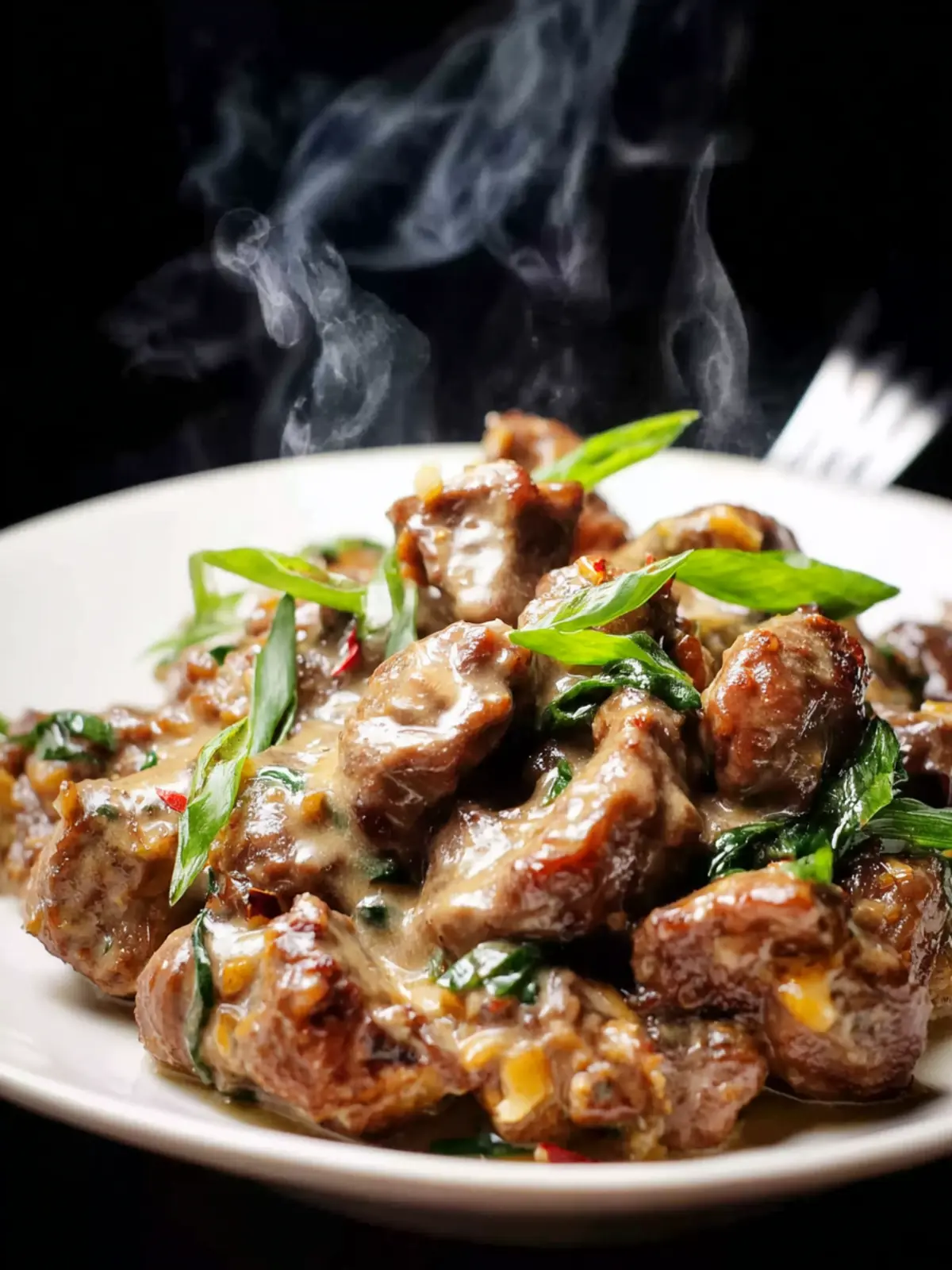
Time Breakdown for Cooking Chicken Gizzards
Cooking gizzards may not sound like everyone’s cup of tea, but once you dive in, you’ll discover a whole new world of flavor and texture. Understanding the time needed for each step can streamline the process. Let’s break down the time for how to cook chicken gizzards.
Preparation Time
Set aside about 15 minutes for preparation. This includes cleaning the gizzards, trimming any excess fat, and soaking them if desired. A little patience here pays off in taste!
Cooking Time
Once you’re ready to cook, anticipate roughly 1 to 1.5 hours. The cooking method you choose—whether boiling, frying, or stewing—will impact this time.
Total Time
When you add up both preparation and cooking time, you’re looking at a total of about 1 hour and 15 minutes to 1 hour and 45 minutes. Trust me, the rich flavors you’ll achieve are well worth the time!
Nutritional Facts for Chicken Gizzards
When diving into the world of how to cook chicken gizzards, it’s essential to understand the nutritional benefits they bring to the table. These often-overlooked morsels are not just flavorful; they pack a punch in terms of nutrition.
Calories
Chicken gizzards are a clever choice for those keeping an eye on their calorie intake. A serving of about 100 grams contains roughly 150 calories, making them a hearty yet low-calorie option.
Protein
If you’re looking to up your protein game, chicken gizzards have got you covered! They contain approximately 28 grams of protein per 100 grams, making them an excellent source for muscle repair and growth.
Sodium
While not excessively high in sodium, chicken gizzards account for about 70 milligrams per 100 grams. This is relatively low, making them a suitable choice for individuals watching their sodium levels while still providing sufficient flavor.
Whether you’re braising or frying, understanding these nutritional facts will help you enjoy the benefits of chicken gizzards guilt-free!
FAQ about Cooking Chicken Gizzards
Cooking chicken gizzards may sound intimidating at first, but once you dive into it, you’ll discover they’re a delicious and budget-friendly protein option. Here, we answer some common questions to help you on your culinary journey.
How do I know when chicken gizzards are fully cooked?
Determining when chicken gizzards are perfectly cooked is key to enjoying their unique texture and flavor. You’ll want to ensure they reach an internal temperature of 165°F (75°C) to guarantee safety. If you’re simmering them, look for a nice tender bite after about 40-60 minutes. If you’re roasting or frying, a golden-brown exterior indicates they’re getting close. A fork should glide easily through, but if they feel tough, they need more time!
Can I substitute chicken gizzards for other types of meat?
Absolutely! Chicken gizzards have a rich, meaty taste, making them versatile in many dishes. You can swap them for other organ meats like hearts or liver for similar textures. If you want a lighter option, diced chicken thighs or even firm tofu could work in some recipes where the gizzards are simply a protein addition.
What side dishes pair well with chicken gizzards?
When considering sides, think comfort food that enhances the depth of the gizzards:
- Rice or Grains: A simple rice pilaf or quinoa salad can balance their richness.
- Greens: Sautéed spinach or collard greens offer a vibrant contrast.
- Root Vegetables: Roasted carrots or potatoes add sweetness and texture.
Pairing wisely will take your chicken gizzard meal to the next level!
Conclusion on Cooking Chicken Gizzards
Cooking chicken gizzards is a delightful venture into the world of flavorful and unique ingredients. After learning how to cook chicken gizzards, you will appreciate their rich taste and versatile nature. Whether you’re sautéing, frying, or slow-cooking them, these gizzards can become a star feature on your dinner table.
Remember to season well, and don’t shy away from experimenting with various spices and cooking techniques. Enjoy the satisfaction of trying something new and the rich, tender results. Your culinary adventure with chicken gizzards is just beginning, and I can’t wait for you to create your delicious masterpiece!
Print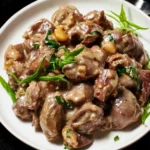
Creamy Chicken Gizzards Gravy
- Total Time: 2 hours
- Yield: 4 servings 1x
- Diet: Gluten-Free
Description
A delicious and creamy chicken gizzards gravy, perfect for your favorite dishes.
Ingredients
Scale
- 1 lbs chicken gizzards
- 1 cup chicken broth
- 2 tbsp salt (for soaking)
- 1 cup milk (whole or 2% is best)
- 4 tbsp cornstarch (or flour to thicken)
- 1 tsp basil
- 3 tbsp butter
- 1 small onion (diced)
- 2 tbsp minced garlic
- 1 pinch salt and pepper (to taste)
Instructions
- Place gizzards in a large bowl, sprinkle with 2 tbsp salt and mix together. Fill bowl with water and let soak for 2 hours. Then rinse thoroughly.
- Put soaked gizzards in a large saucepan full of water, bring to a boil and simmer for 30 minutes.
- While that is boiling, dice onions, place in saucepan with 1 tbsp butter. Saute until translucent and golden. Add minced garlic and 2 tbsp butter and allow to melt.
- Sprinkle in your flour or cornstarch. Whisk together well so it doesn’t clump up at all, do this until you get a creamy thickening roux.
- Whisk in milk and chicken stock until smooth. Add chicken gizzards. Bring to simmer, reduce to medium low. Add more chicken stock if you want to thin the gravy out. Sprinkle in basil and salt and pepper to taste.
Notes
- This recipe can be adjusted with additional spices as per personal preference.
- Serve over rice, mashed potatoes, or pasta.
- Prep Time: 15 minutes
- Cook Time: 45 minutes
- Category: Main Course
- Method: Stovetop
- Cuisine: American
Nutrition
- Serving Size: 1 cup
- Calories: 350
- Sugar: 5g
- Sodium: 800mg
- Fat: 20g
- Saturated Fat: 10g
- Unsaturated Fat: 8g
- Trans Fat: 0g
- Carbohydrates: 20g
- Fiber: 2g
- Protein: 25g
- Cholesterol: 90mg