
Follow Me On Social Media!
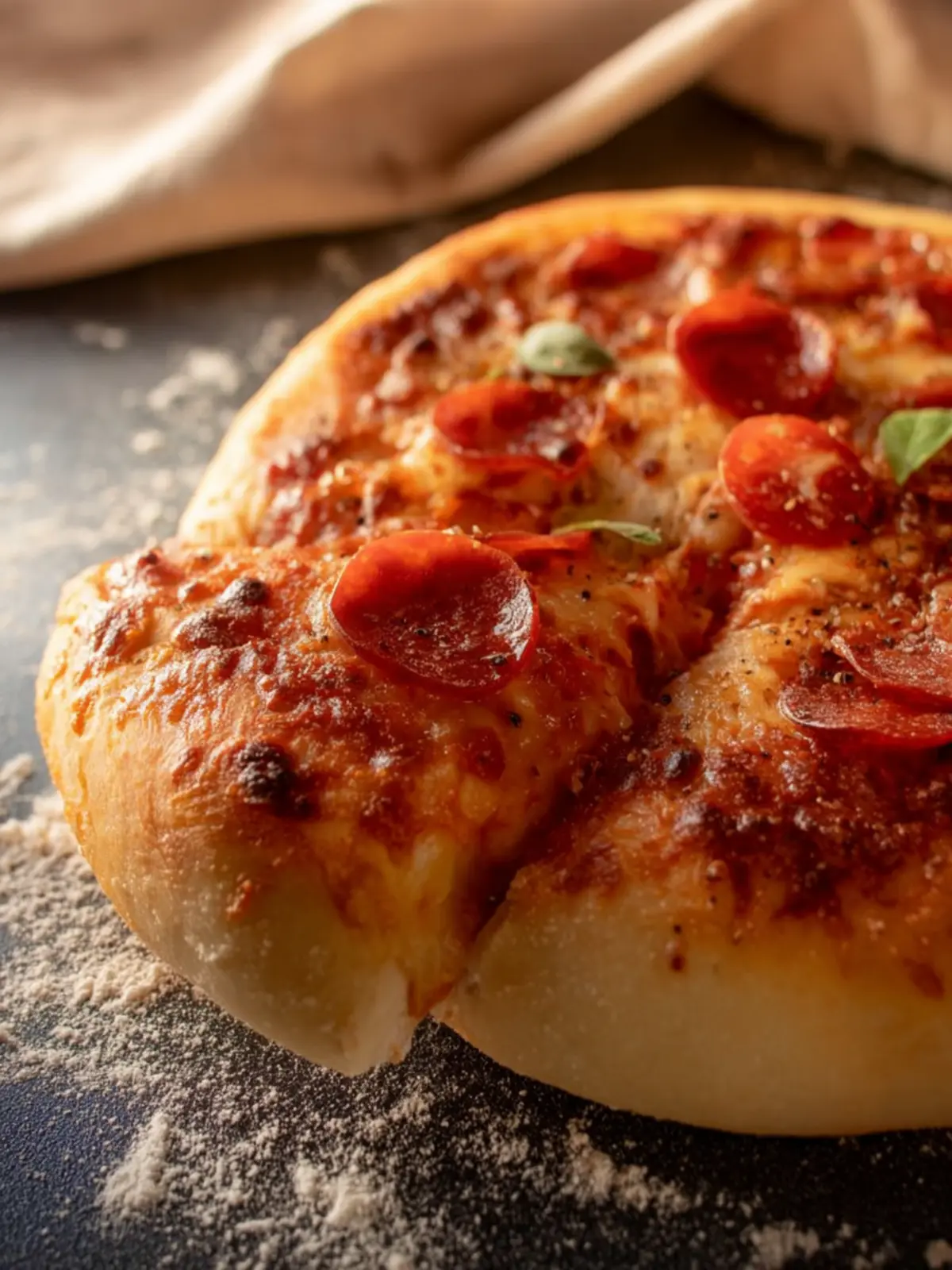
Pizza Dough Recipe: The Best Homemade Delight You’ll Crave

Introduction to Homemade Pizza Dough
Creating your own delicious pizza dough at home is a rewarding experience that transforms an ordinary evening into a memorable culinary adventure. Imagine the smell of freshly baked dough rising in your kitchen, the aromatic notes of flour and yeast filling the air—it’s enough to make your mouth water just thinking about it! When I first tried my hand at making homemade pizza, I was pleasantly surprised by how simple and fun the process was. The thrill of kneading the dough, allowing it to rise, and crafting my own pizza from scratch is something every home cook should experience.
Making pizza dough gives you complete control over the ingredients, texture, and flavor. Moreover, it’s an incredible way to bond with friends and family. Picture this: you gather your loved ones, set up a pizza-making station, and let everyone customize their own creations with toppings to please every palate. It’s a fun group activity and an incredible way to unleash creativity in the kitchen.
The beauty of this pizza dough recipe is in its versatility—whether you prefer a classic thin crust or a thicker, chewy dough, you can easily adjust the ingredients to suit your preferences. Plus, the satisfaction of pulling a perfectly baked pizza out of the oven, knowing you made the dough yourself, is truly unmatched.
Here’s what you will need for your pizza-making adventure:
- Flour: The foundation of any good dough. Opt for all-purpose flour for versatility, or go for bread flour if you’re looking for a chewier texture.
- Yeast: This is what makes our dough rise. Active dry yeast is the most common choice and is easily found in most grocery stores.
- Water: The warmth of your water is crucial; it activates the yeast and helps in gluten development.
- Salt: Essential for flavor, salt enhances the overall taste of your dough and regulates yeast activity.
- Olive Oil: This adds a hint of flavor and promotes a lovely golden crust.
The next time you’re considering a homemade meal, remember that making pizza dough is not just about the food; it’s about the joy of cooking and sharing something special with others. So roll up your sleeves, and let’s create some pizza magic together!
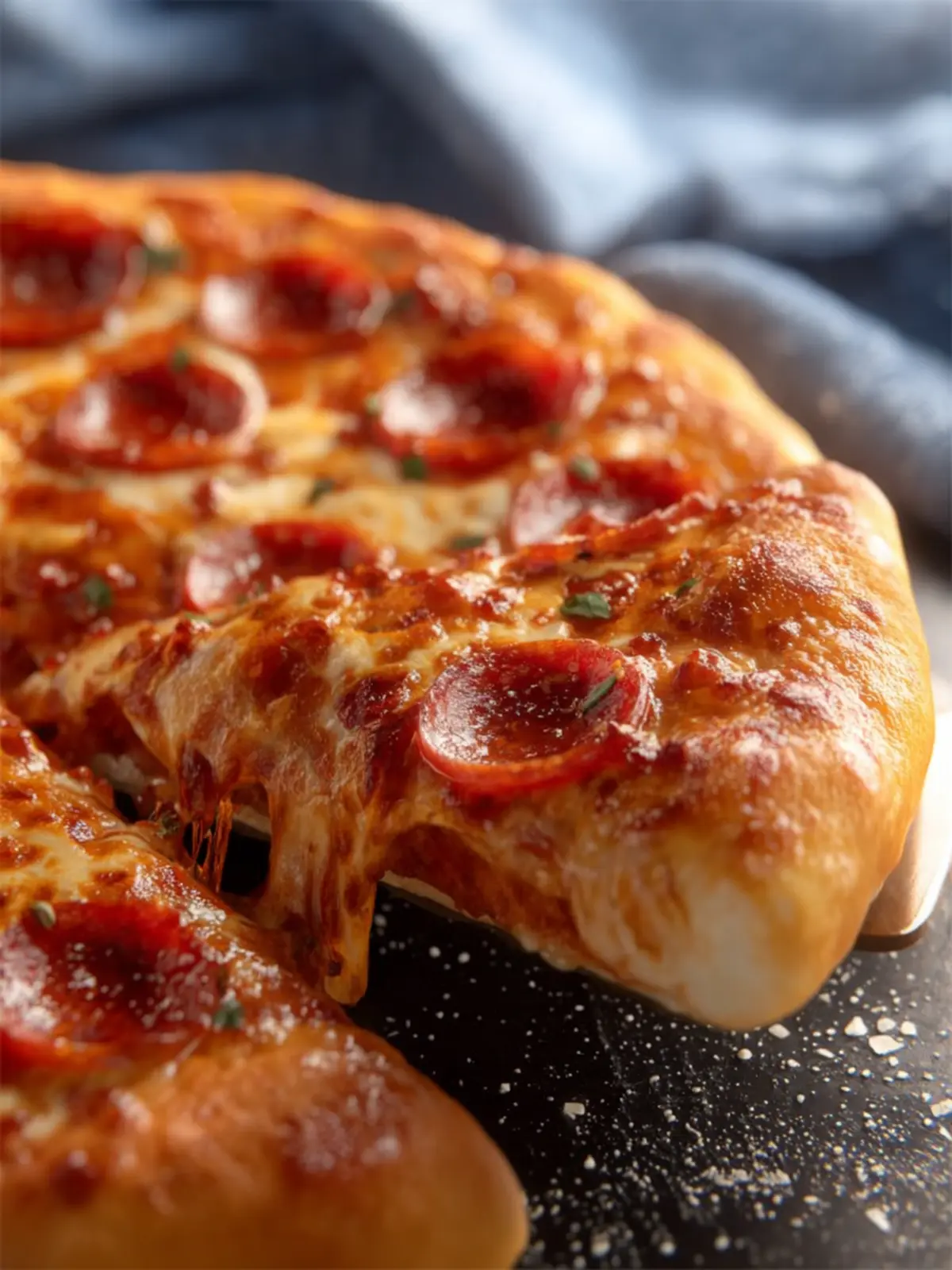
Key Ingredients for Pizza Dough
Creating the perfect Pizza Dough Recipe is all about using the right ingredients that come together to form a delicious base for your favorite toppings. Let’s break down the key components that contribute to that delightful, chewy crust we all love.
Flour: I always prefer using bread flour for this pizza dough. It has a higher protein content, giving the dough its strength and a great chewy texture. If necessary, all-purpose flour can work, but the results may vary.
Yeast: For a successful rise, active dry yeast is my go-to choice. It’s reliable and easy to work with, allowing the dough to become light and airy.
Water: The temperature of the water matters! Warm water activates the yeast quickly, ensuring the dough rises beautifully.
Salt: Never underestimate salt—it enhances flavor and strengthens the dough. A little goes a long way in ensuring your pizza is seasoned just right.
Olive Oil: I love adding a splash of olive oil to make the dough more pliable and flavorful. It also helps achieve a lovely golden crust once baked.
Each of these elements plays a crucial role in creating a pizza experience that’s both satisfying and memorable! When you mix and knead these ingredients, you’re not just making dough; you’re setting the stage for your pizza masterpiece.
Why You’ll Love This Pizza Dough Recipe
There’s something wonderfully satisfying about making your own pizza dough. This recipe offers you the perfect balance of chewiness and crispiness, making it the ideal foundation for all your favorite toppings. Imagine the joy of pulling a homemade pizza out of the oven, the crust golden and enticing, ready to be shared with friends or savored alone.
Simple Ingredients Make All the Difference
-
Flour: I swear by all-purpose flour for this recipe. It’s versatile and yields a dough that’s easy to work with. If you’re feeling adventurous, consider experimenting with bread flour for an even chewier texture.
-
Yeast: Active dry yeast gives the dough a lovely rise and a light, airy quality. Make sure to activate it properly for the best results—it should be bubbly and frothy!
-
Water: Lukewarm water is essential. Too hot can kill the yeast, while too cold can stall its activation. Aim for a comfortable temperature, around 100°F.
-
Olive Oil: Adding olive oil not only enhances the dough’s flavor but also makes it pliable and easy to stretch.
-
Salt: This might seem basic, but salt is crucial for flavor. It enhances the taste of the crust and balances the ingredients beautifully.
A Recipe for Every Occasion
This pizza dough recipe is incredibly flexible. Whether you’re hosting a casual Friday night pizza party or whipping up a quick dinner for yourself, you’ll appreciate how easily this dough comes together. Plus, there’s nothing quite like the sense of accomplishment that comes from crafting something delicious from scratch.
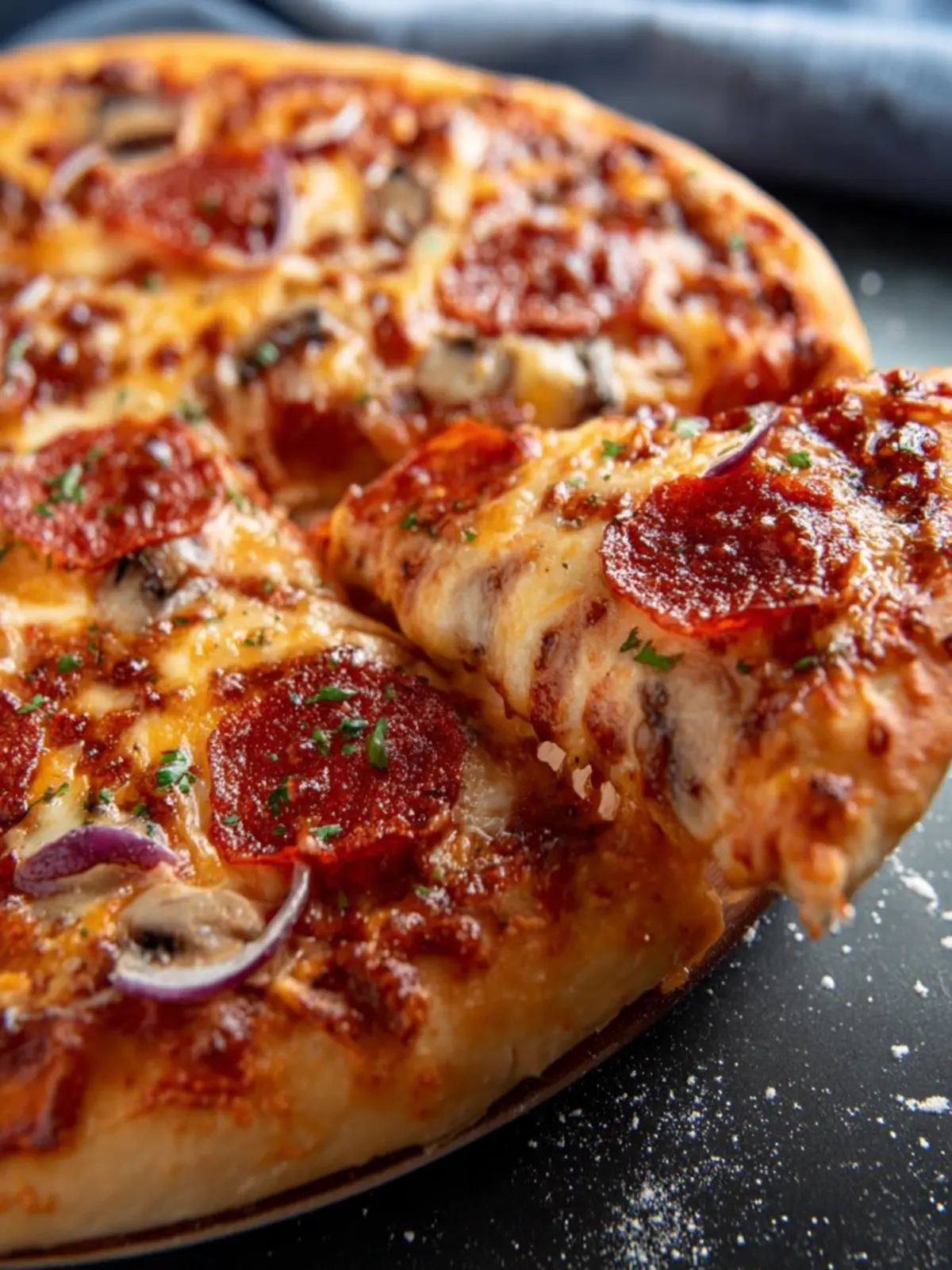
Variations on Traditional Pizza Dough
Diving into the world of pizza dough recipes can feel like opening Pandora’s box. As you explore these variations, you’ll discover delicious alternatives to the standard crust that could become your new favorite. Let’s explore a few options that add unique flavors and textures to your pizza night.
Cauliflower Crust
For those looking for a gluten-free option, cauliflower crust is a fantastic alternative. By blending cooked cauliflower with cheese and eggs, you create a wonderfully crispy base that’s light and healthy. It’s surprising how such a simple veggie can transform your pie!
Whole Wheat Dough
Looking to make a healthier choice? Whole wheat dough is a great way to incorporate more fiber into your meal. The nuttiness of the whole wheat adds depth and richness to your crust, making each bite satisfying and nourishing.
Thin Crust Style
If you love that satisfying crunch, opting for a thin crust is a game changer. Less dough means more toppings that you crave. It cooks quicker and gives you that classic, crispy edge that pairs perfectly with all kinds of sauces and toppings.
Herb-Infused Dough
Imagine a pizza with a hint of rosemary or basil in the crust. By adding dried herbs directly to your pizza dough recipe, you elevate the flavor profile, creating an aromatic experience before you even take a bite.
Exploring these variations can turn an ordinary pizza night into a culinary adventure. Don’t hesitate to experiment and discover your perfect dough!
Cooking Tips and Notes for Perfect Pizza Dough
Crafting the ideal pizza dough isn’t just a science; it’s an art that brings joy to the kitchen. As someone who loves the smell of freshly baked bread, the process of making your very own dough is one of the most rewarding culinary experiences. Here are some friendly tips to elevate your pizza-making game.
Flour Quality Matters
For the best pizza dough, choose high-quality bread flour. This flour has a higher protein content, contributing to a chewier and more flavorful crust. You can also experiment with a blend of all-purpose and whole wheat flour for added texture and depth.
Water Temperature
The temperature of your water can significantly affect yeast activity. Aim for lukewarm water (about 110°F) to activate the yeast without killing it. If you’re unsure, think of it as comfortably warm—not hot enough to burn your fingers.
Kneading Technique
Don’t rush the kneading process! Spend a good 8-10 minutes working the dough until it’s smooth and elastic. This is crucial for developing the gluten structure, which gives your crust that delightful chewiness.
Proofing Time
Allow the dough to rise in a warm spot until it doubles in size. This step can take anywhere from 1 to 2 hours, depending on the room temperature. Patience is key; your dough will be all the better for it.
Baking Stone
If you can, invest in a pizza stone. It helps to achieve that perfectly crisp crust by distributing heat evenly. Preheat it in your oven for at least 30 minutes before baking.
With these tips in your back pocket, you’re ready to create a pizza that’s not just good, but truly exceptional!
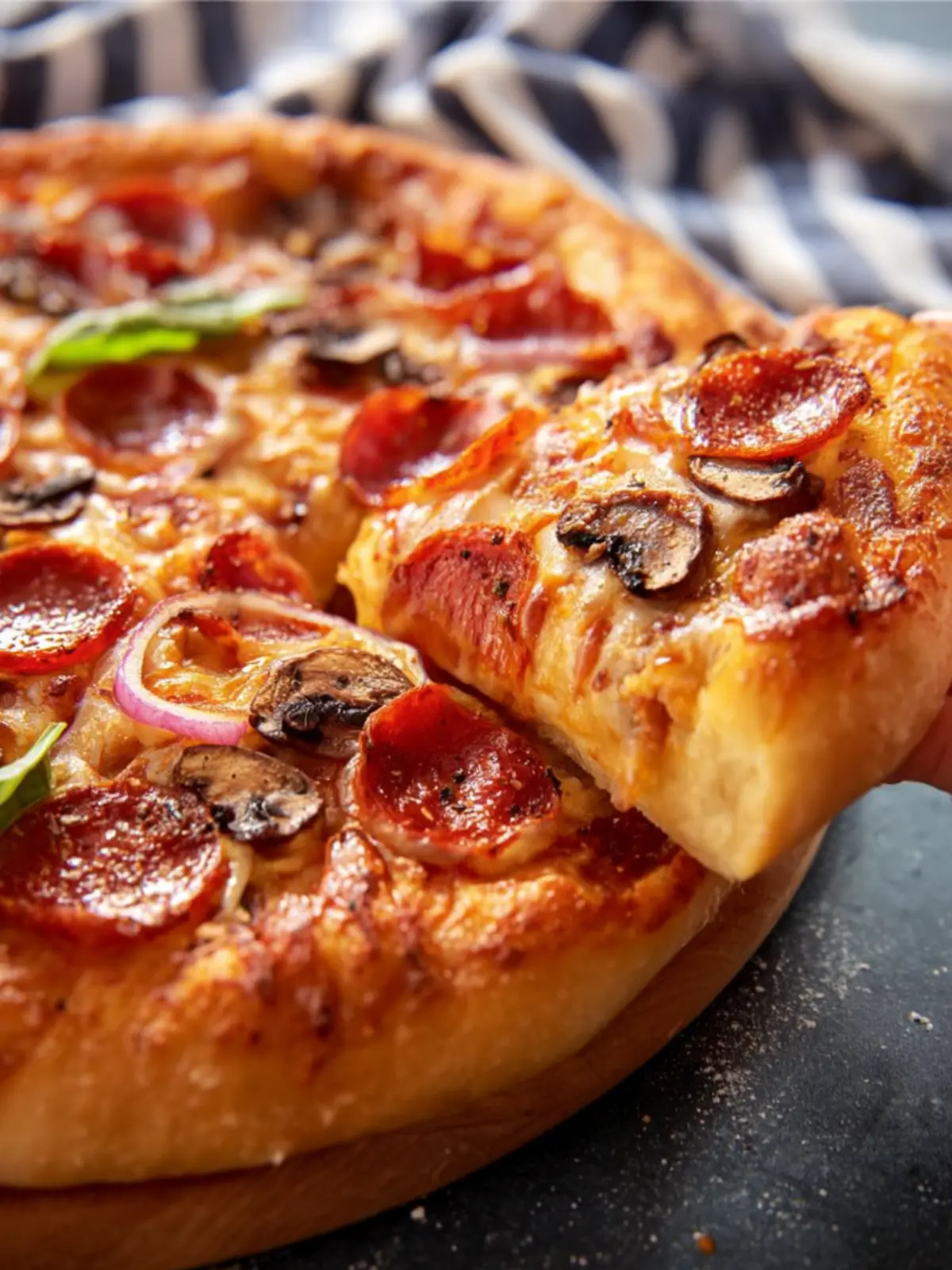
Serving Suggestions for Your Homemade Pizza
Embarking on the journey of crafting your own pizza dough recipe opens a world of delicious possibilities. Typically, we think of pizza as a handheld meal, but there’s so much more to explore when it comes to serving your masterpiece. Here are some creative and delightful suggestions to elevate your homemade pizza experience.
Complementary Sides
Enhancing your pizza spread can turn an ordinary meal into a memorable one. Consider pairing your pizza with:
- Garlic Bread: A classic choice that marries perfectly with pizza. The buttery, garlicky goodness is loved by all.
- Fresh Salad: A crisp, refreshing side like a Caesar or arugula salad balances the heaviness of the pizza and adds a pop of color to your table.
Unique Toppings to Try
While traditional toppings are great, don’t shy away from experimentation. Here are a few ideas that can transform your pizza dough recipe into something extraordinary:
- Fig and Prosciutto: Sweet figs paired with savory prosciutto create a gourmet experience.
- Buffalo Chicken: Spicy and tangy, this topping is perfect for those who crave a kick.
Dipping Sauces
Elevate your pizza slices with various dipping sauces:
- Garlic Ranch: Perfect for dipping crusts or drizzling over the pizza.
- Spicy Marinara: A zesty take on classic marinara that adds a fiery twist to each bite.
Beverage Pairings
Don’t forget to think about the drinks that will accompany your homemade pizza. Craft beers or a light red wine, like Pinot Noir, can enhance the flavors and create a more sophisticated dining experience.
By considering these serving suggestions, you not only enjoy your homemade pizza but also create an occasion worth celebrating. Cheers to delicious moments made from your very own pizza dough recipe!
Time Breakdown for Making Pizza Dough
Creating the perfect pizza dough can be a delightful journey, filled with anticipation for that first mouthwatering bite. Understanding the time it takes can make your experience even smoother!
Preparation Time
To kick off your pizza dough recipe, set aside about 15 minutes for mixing and kneading. This is your chance to enjoy the tactile joy of crafting the dough by hand or letting your mixer do the work!
Rising Time
Once you’ve got your dough ready, it needs to rest and rise. Expect to dedicate around 1 to 2 hours for this vital step, allowing the yeast to work its magic and create that airy texture.
Baking Time
The final step is the baking process, which typically takes about 10 to 15 minutes at a high temperature. Watch for that perfect golden crust as you savor the aroma filling your kitchen.
Total Time
In total, from start to fresh-baked pizza, you’re looking at approximately 85 to 120 minutes—well worth the wait for that delicious homemade pizza experience!
Nutritional Facts for Homemade Pizza Dough
Creating your own homemade pizza dough not only brings joy to the kitchen but also offers a surprise when it comes to nutrition. Here’s a glance at what you’re putting into your mix with this delightful Pizza Dough Recipe.
Calories
A standard serving of homemade pizza dough contains around 180 to 220 calories. This varies based on your ingredient choices and portion size, but it’s a satisfying base for your favorite toppings.
Protein
This dough is a great source of protein, delivering about 5 to 7 grams per serving. The addition of flour and yeast not only contributes to the dough’s structure but helps keep you feeling fuller for longer.
Carbohydrates
With approximately 35 to 40 grams of carbohydrates, this dough fuels your body—perfect for those busy days when you need an extra boost of energy. Just remember, it’s all about balance!
Fats
Homemade pizza dough typically contains minimal fat, roughly 2 to 4 grams per serving, depending on the oil used. This keeps your delicious pizza on the healthier side, allowing you to enjoy without guilt.
Making your own pizza dough allows for flexibility with ingredients while keeping nutrition top of mind. Enjoy crafting your perfect pie!
FAQs about Pizza Dough
Creating the perfect pizza dough can feel daunting, but understanding a few key aspects can turn you into a pizza-making pro in no time. Here are some frequently asked questions to guide you along the way.
Can I use instant yeast instead of active dry yeast?
Absolutely! Instant yeast can be used in place of active dry yeast without any significant changes to your pizza dough recipe. The difference lies in how you activate them. Instant yeast doesn’t require proofing in water; you can simply mix it directly into your dry ingredients. Just remember, you’ll need a bit less instant yeast than active dry—usually, about 25% less will do!
How can I store leftover pizza dough?
If you have leftover pizza dough, it can be refrigerated or frozen. To refrigerate, wrap it tightly in plastic wrap and store it in an airtight container for up to three days. For longer storage, place it in a freezer-safe bag, squeezing out the air, and it will keep well for up to three months—just thaw it in the refrigerator the night before you plan to use it.
What can I use instead of bread flour?
While bread flour gives your pizza a delightful chewiness, you can substitute it with all-purpose flour. For a texture closer to that of bread flour, mix all-purpose flour with a little vital wheat gluten—about one tablespoon per cup of flour will enhance the structure.
Is it possible to make pizza dough ahead of time?
Definitely! Making pizza dough ahead of time not only saves you stress but also develops a deeper flavor. You can prepare your dough up to 24 hours in advance. Just remember to let it rise, then refrigerate it. Before using, allow it to come to room temperature for about 30 minutes.
How thick should I roll out my pizza dough?
For a classic pizza experience, rolling your pizza dough to about 1/4-inch thick is perfect. This allows for a crispy outer crust while maintaining a chewy center. If you prefer a thicker crust, feel free to roll it out to 1/2-inch; just keep in mind to adjust your baking time accordingly.
With these tips in mind, you’ll be well on your way to mastering this essential pizza dough recipe!
Conclusion on Homemade Pizza Dough
Creating your own homemade pizza dough is not just about making a base; it’s about crafting an experience. This pizza dough recipe empowers you to take control over your ingredients, ensuring a fresh taste that can’t be matched by store-bought versions. Whether you prefer your crust thick and chewy or thin and crispy, this dough caters to all preferences.
By mastering this pizza dough recipe, you unlock endless possibilities for toppings and flavors. Remember, patience is key during the rising process—allow the dough to develop its flavor. Enjoy the journey of creating your perfect pizza, and savor the pride that comes with each delicious bite!
Print
Homemade Pizza
- Total Time: 30 minutes
- Yield: 2 pizzas 1x
Description
Delicious homemade pizza with a crispy crust and your choice of toppings.
Ingredients
Scale
- 1 package active dry yeast
- 1 teaspoon granulated sugar
- 1 cup warm water (110-115°F)
- 2 1/2 cups bread flour
- 2 tablespoons olive oil
- 1 teaspoon salt
- 1 cup pizza sauce
- 2 cups mozzarella cheese (shredded)
- pizza toppings of your choice
Instructions
- Preheat the oven to 450°F.
- In a medium bowl, dissolve the yeast and sugar in the warm water. Let stand until frothy, about 5-10 minutes.
- To the same bowl with the yeast, stir in the flour, oil, and salt. Beat with a wooden spoon until smooth. Let the dough rest in the bowl for 5 minutes.
- Turn the dough out onto a lightly floured surface and pat or roll into the desired pizza shape.
- Transfer the crust to a lightly greased pizza pan or baker’s peel dusted with cornmeal. Spread pizza sauce over the crust and top with desired toppings.
- Bake for 15-20 minutes, or until golden brown.
- Let the baked pizza cool for 5 minutes before slicing and serving.
Notes
- Experiment with different toppings for variety!
- For a crispier crust, consider baking the pizza on a preheated pizza stone.
- Prep Time: 10 minutes
- Cook Time: 20 minutes
- Category: Main Dishes
- Method: Baking
- Cuisine: Italian
Nutrition
- Serving Size: 1 slice
- Calories: 250
- Sugar: 2g
- Sodium: 500mg
- Fat: 10g
- Saturated Fat: 3g
- Unsaturated Fat: 7g
- Trans Fat: 0g
- Carbohydrates: 32g
- Fiber: 2g
- Protein: 12g
- Cholesterol: 20mg