Follow Me On Social Media!
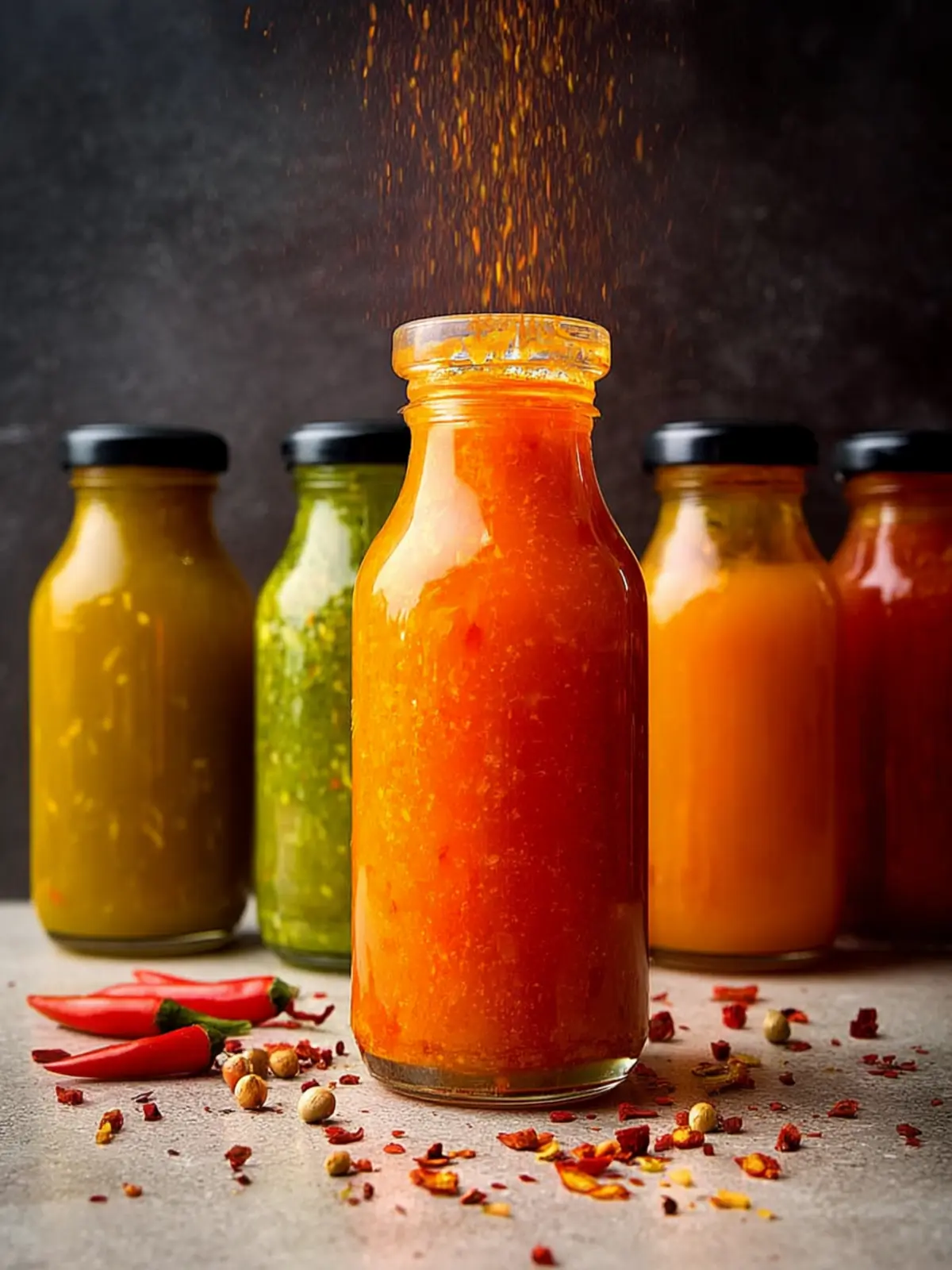
Homemade Fermented Hot Sauce: A Flavor Explosion Awaits

Introduction to Homemade Fermented Hot Sauce
There’s something uniquely satisfying about creating your very own homemade fermented hot sauce. Imagine cultivating an explosion of flavors, igniting your taste buds while also adding a personal touch to every bottle. This method not only captures the vibrant essence of fresh peppers but also enhances the natural tang through fermentation—a process as simple as it is transformative. The first time I opened a jar of my homemade concoction, the aroma alone transported me to a bustling street market, bursting with excitement and spice.
What makes homemade fermented hot sauce so irresistible?
The magic lies in the active fermentation process, which develops complex flavors and a unique depth that store-bought sauces simply can’t replicate. When you make your own homemade fermented hot sauce, you’re not just crafting a condiment; you’re creating something truly special that embodies your individual taste. Here are some key factors that make this sauce a must-try:
-
Flavor Fusion: The fermentation process breaks down the complex sugars in the peppers, creating a savory umami that dances on your palate. When combined with garlic and salt, every drop is infused with rich, deep flavors that other hot sauces lack.
-
Health Benefits: Fermented foods are known for their gut health benefits, thanks to the probiotics produced during the fermentation process. By making your own hot sauce, you reap the advantages of these good bacteria along with the tantalizing heat.
-
Customization: Everyone has their preferred level of heat and flavor. Maybe you like it extra spicy or perhaps a little more garlicky? With homemade fermented hot sauce, the possibilities are endless and tailored to your liking. You can experiment with different pepper varieties or even add spices, giving you full control over the final product.
-
Simple Ingredients: Best of all, the ingredients are straightforward and humble. Fresh peppers, salt, and water are the base, allowing you to focus on high-quality produce while avoiding any artificial preservatives.
So, whether you’re drizzling it over tacos or using it to elevate a simple soup, your homemade fermented hot sauce will undoubtedly become a beloved staple in your kitchen.
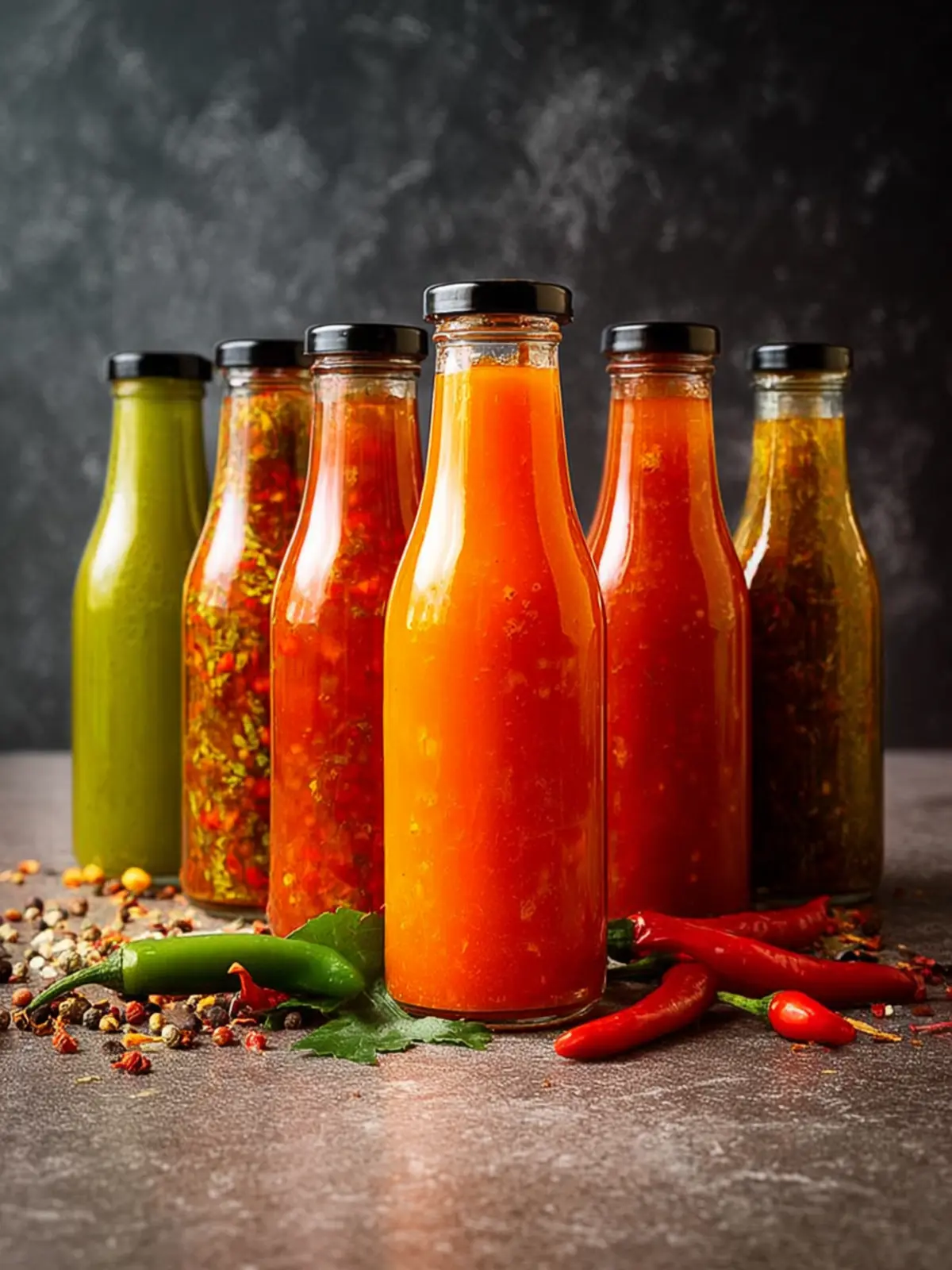
Key Ingredients for Homemade Fermented Hot Sauce
Creating your own homemade fermented hot sauce is an exciting culinary adventure that brings bold flavors to your table. To get started, let’s explore the key ingredients that will set the foundation for your spicy creation.
-
Peppers: Choosing the right peppers is crucial. I recommend a mix of your favorites—habaneros for heat and jalapeños for balance. Fresh peppers add vibrant flavor, while dried options can offer their own unique depth.
-
Garlic: Fresh garlic lends a savory undertone that complements the peppers beautifully. Using whole cloves, rather than powdered, ensures a robust flavor after fermentation.
-
Salt: This is essential for the fermentation process; it draws out moisture and promotes beneficial bacteria. Sea salt or kosher salt works best—stay away from table salt with additives!
-
Water: Filtered water is ideal to avoid unwanted chemicals. It’s important to keep everything as clean as possible to encourage healthy fermentation.
-
Vinegar: While this ingredient isn’t needed for the fermentation process, adding a splash at the end will boost acidity and enhance the flavor profile of your homemade fermented hot sauce.
With these ingredients in hand, you’re well on your way to crafting a unique hot sauce that showcases your culinary flair!
Why You’ll Love This Homemade Fermented Hot Sauce
Let’s talk about why homemade fermented hot sauce can transform your dining experience. Imagine bringing the excitement of complex flavors to your meals—all while knowing exactly what’s in your sauce. The fermentation process not only enhances the taste but also introduces beneficial probiotics, making it a fantastic addition to your culinary repertoire.
A Symphony of Flavors
When you create your own homemade fermented hot sauce, you have the freedom to experiment with various heat levels and flavors. Whether you prefer a tangy kick from fresh peppers or a more savory depth with garlic, there’s a world of combinations waiting for you. Plus, the fermentation adds a layer of umami that store-bought sauces just can’t replicate.
Health Benefits
Fermented foods are known for their positive effects on gut health. By incorporating your homemade fermented hot sauce into meals, you’re not only spicing up your dishes but also nurturing your digestive system. This sauce acts as a flavorful ally in maintaining your well-being.
Eco-Friendly and Budget-Friendly
Making your own hot sauce means less packaging waste, embracing sustainability right from your kitchen. It’s a cost-effective alternative to the commercial options out there, allowing you to enjoy premium taste without breaking the bank.
Incorporating homemade fermented hot sauce into your meals opens doors to myriad flavors while boosting your health and saving your wallet. Who knew making hot sauce could feel so good?
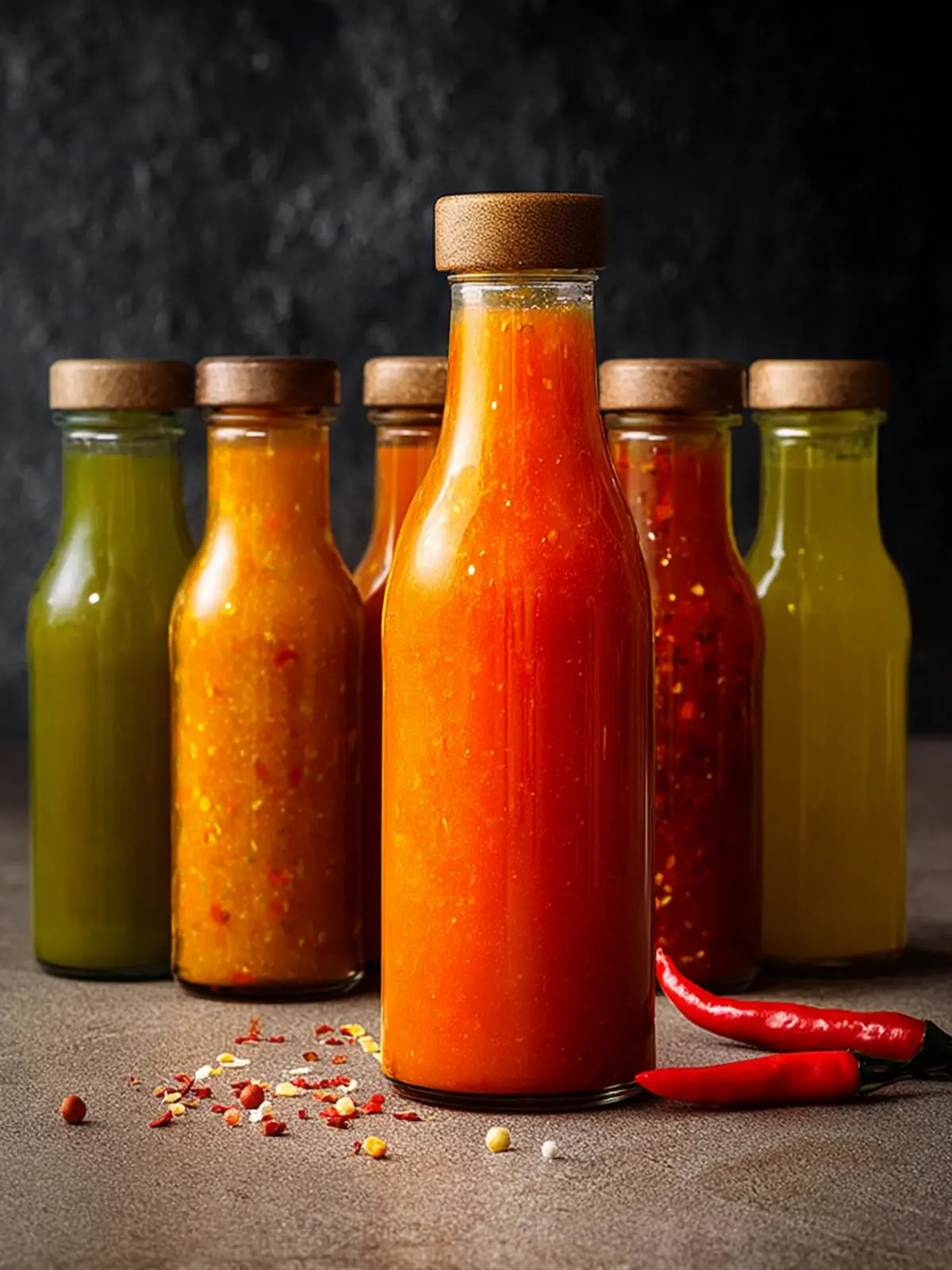
Variations of Homemade Fermented Hot Sauce
Creating your own homemade fermented hot sauce opens the door to endless flavor variations, each one showcasing your culinary creativity. Whether you want to amplify the heat or introduce unique flavors, here are some delicious twists!
Explore Different Pepper Choices
- Habaneros: If you’re a heat-seeker, swap jalapeños for habaneros for a fiery kick. Their fruity profile pairs beautifully with tropical ingredients like mango.
- Chipotle: For that smoky depth, incorporate chipotle peppers. This addition brings a rich, smoky flavor to your sauce, perfect for barbecues.
Flavor Boosters
- Garlic: Add whole garlic cloves during fermentation for a rich, umami-filled punch. Roasted garlic offers a sweeter, caramelized flavor if you prefer.
- Fruit Infusions: Experiment with fruits such as mango or peach for a mild sweetness that beautifully balances the heat.
Unexpected Ingredients
- Herbs: Fresh herbs like cilantro or parsley can add an aromatic quality to your homemade fermented hot sauce. Just add them during the last few days of fermentation to maintain their vibrant flavor.
- Spices: A dash of cumin or coriander can introduce warmth and earthiness, expanding your hot sauce’s flavor profile.
By trying out these variations, you’ll not only refine your skills but also create a hot sauce that’s uniquely yours! So, which variation will you try first?
Cooking Tips and Notes for Making Homemade Fermented Hot Sauce
Crafting your own homemade fermented hot sauce is not just about following a recipe; it’s about embracing a flavorful journey. The fermentation process transforms simple ingredients into a tangy delight that adds depth to your dishes. Here are some tips to guide you through this exciting culinary adventure.
Choose the Right Peppers
Selecting the right peppers is crucial. I personally love a mix of jalapeños for heat and bell peppers for balance. Don’t hesitate to experiment with your favorites; each variety brings a unique flavor profile to your sauce.
Mind the Salt Ratio
Salt is the secret to successful fermentation. Ensure you use a kosher or sea salt that is free of anti-caking agents. A common guideline is to use about 2-3% salt by weight of your total vegetables. This aids in preserving the sauce while enhancing its flavor.
Fermentation Time
Patience is key! Typically, allowing your homemade fermented hot sauce to ferment for at least 1-2 weeks at room temperature gives it that robust taste. Taste it periodically; fermentation is an art best tailored to your palate.
Blend to Perfection
When it’s time to blend, consider starting slow with your blender. It’s easier to achieve the right consistency that way. If you prefer a chunkier sauce, pulse lightly until you reach your desired texture.
Store Properly
For the best shelf life, store your sauce in sterilized glass jars or bottles in the refrigerator. This helps retain its vibrant flavors and ensures you can enjoy your creation for months!
By implementing these tips, your journey into the world of homemade fermented hot sauce can be both successful and enjoyable! Happy cooking!
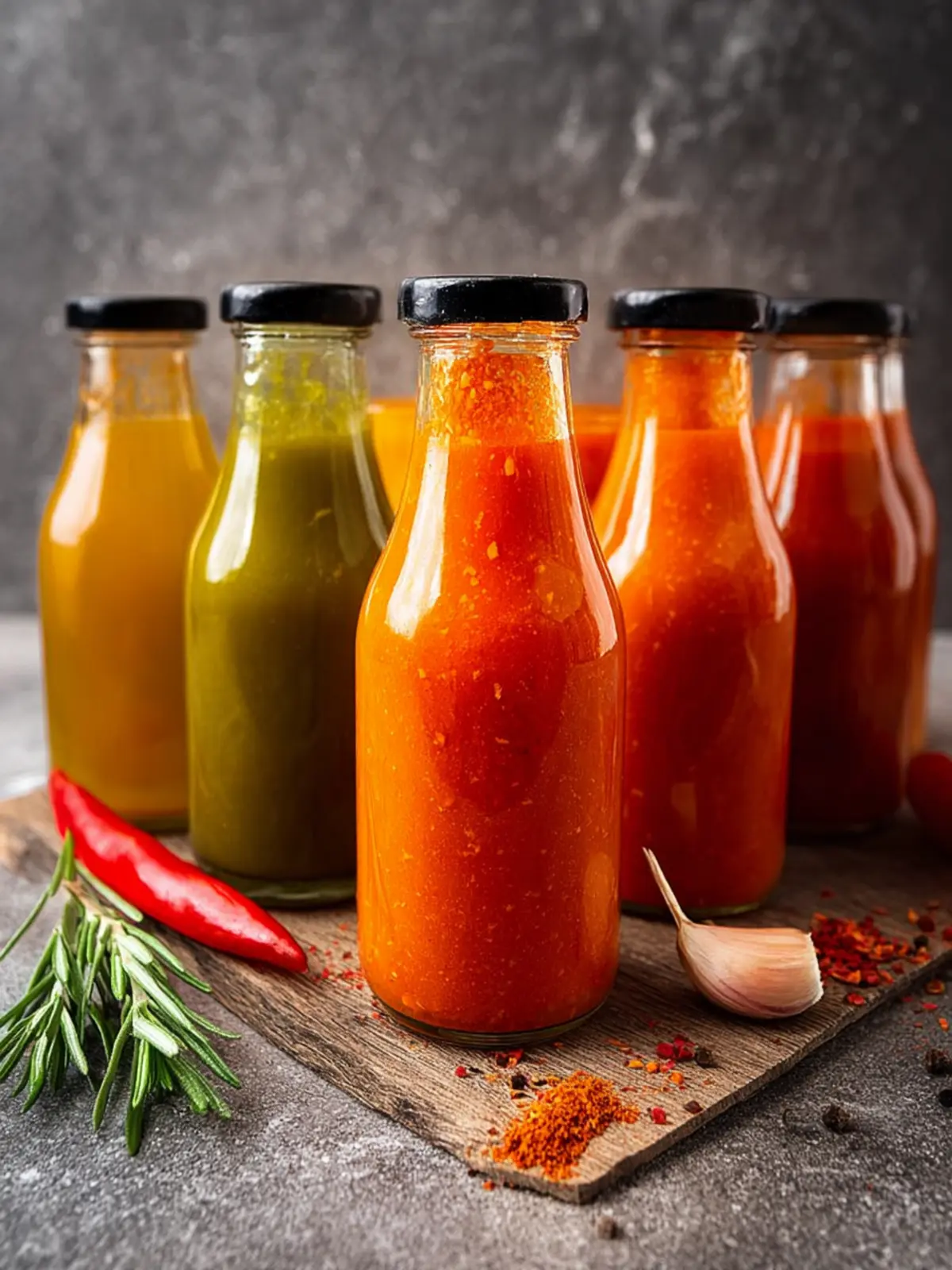
Serving Suggestions for Homemade Fermented Hot Sauce
When you dive into making homemade fermented hot sauce, you’re not just creating a condiment; you’re crafting a culinary experience that brightens a variety of dishes. The beauty of this hot sauce lies in its versatility, making it an essential ingredient for both everyday meals and special occasions.
Pairing with Proteins
- Grilled Meats: A splash of your homemade fermented hot sauce can elevate grilled chicken or steak. The tangy heat complements the smoky flavors perfectly.
- Tacos and Burritos: Drizzle it over your favorite taco fillings or mix it into a burrito for an extra kick that can match any flavor profile.
Brightening Side Dishes
- Vegetables: Toss roasted veggies like cauliflower or Brussels sprouts with hot sauce for a zesty finish.
- Dips: Use your hot sauce in guacamole or salsa for an exciting twist that surprises the taste buds.
Unique Uses
- Marinades: Combine your hot sauce with olive oil and herbs to create a marinade that infuses flavor into fish or tofu.
- Dressings: Whisk together your hot sauce with yogurt or mayonnaise to create a fiery salad dressing—perfect for drizzling over grilled corn or mixed greens.
The possibilities are endless with your homemade fermented hot sauce, so feel free to experiment and make it your own!
Time Breakdown for Homemade Fermented Hot Sauce
Creating your own homemade fermented hot sauce is an exciting culinary adventure that not only enhances your meals but also introduces unique flavors from the fermentation process. Here’s a quick breakdown of the time you’ll need to dedicate to this flavorful endeavor.
Preparation Time
You’ll want to set aside about 20 minutes to gather your ingredients, chop your peppers, and prepare the brine. This is where the fun begins—select those peppers that will bring your sauce to life!
Fermentation Time
The real magic happens during fermentation, which typically takes about 1 to 2 weeks. This period allows beneficial bacteria to work their wonders, developing the tangy flavor that sets your sauce apart from store-bought options.
Total Time
Overall, including both preparation and fermentation, expect your total time commitment to be about 1 to 2 weeks and 20 minutes. Though it may feel like you’re waiting, the end result is certainly worth it when you finally taste that zesty homemade fermented hot sauce!
Nutritional Facts for Homemade Fermented Hot Sauce
Creating your own homemade fermented hot sauce not only elevates your meals with unique flavors but also comes packed with health benefits. Let’s break down the nutritional facts so you can feel great about what you’re adding to your dishes.
Calories
A typical serving of your homemade fermented hot sauce contains about 5-10 calories, making it a guilt-free way to spice up any meal.
Sodium
With approximately 130-200 mg of sodium per tablespoon, be mindful of your intake, especially if you’re watching your salt consumption. The fermentation process often adds a savory kick!
Vitamin C
A standout benefit of your homemade fermented hot sauce is its Vitamin C content. Peppers are a fantastic source, providing around 40% of the daily recommended intake in just one tablespoon, boosting your immune system and enhancing skin health.
Enjoy crafting your signature sauce, knowing it’s not just delicious but nutritious too!
FAQs about Homemade Fermented Hot Sauce
Making your own homemade fermented hot sauce opens up a world of flavor and spice that store-bought varieties just can’t match. With a bit of patience and the right ingredients, you’ll create a condiment that adds depth and a zing to your meals. As you venture into this delightful culinary project, some questions may arise. Here are the most common ones.
How long does fermented hot sauce last?
Once you’ve mastered the process of making homemade fermented hot sauce, you’ll likely want to know how long it will last. When stored in a sealed container in the refrigerator, it can last for several months—often up to a year! The vinegar and the fermentation process help preserve the sauce, but taste along the way to ensure it’s still vibrant and enjoyable.
Can I use different types of peppers?
Absolutely! The beauty of homemade fermented hot sauce lies in its versatility. Feel free to experiment with varying heat levels and flavors by using a mix of peppers. Whether you prefer jalapeños, habaneros, or even milder bell peppers, each combination will create a different profile. Just remember that the fermentation process will mellow the flavors a bit, so choose peppers you love.
What are the benefits of fermentation?
Fermentation is a time-honored method that not only enhances flavors but also packs a nutritional punch. This process introduces beneficial bacteria (probiotics), which can aid digestion and boost your immune system. Plus, the tangy flavor that develops during fermentation adds complexity to your homemade fermented hot sauce. It transforms simple ingredients into a condiment that can elevate any dish!
Conclusion on Homemade Fermented Hot Sauce
Creating your own homemade fermented hot sauce is not just a culinary experiment; it’s a journey that connects you with the rich traditions of fermentation, flavor, and creativity in the kitchen. As the days pass and your sauce ferments, you’ll witness a transformation that enhances the taste of your dishes in ways store-bought options simply can’t replicate. Whether you’re a spice enthusiast or just someone wanting to add a unique kick to your meals, this recipe is an invitation to innovate and personalize. Dive in, trust the process, and relish the delightful results of your homemade fermented hot sauce!
Print
Hot Sauce
- Total Time: 5 days
- Yield: 2 cups 1x
- Diet: Vegan
Description
A delicious homemade hot sauce made from fermented peppers, garlic, and onion.
Ingredients
Scale
- 2 cups Filtered or spring water
- 1 tbsp Kosher or pickling salt
- 1 pound Hot and sweet peppers
- 1–2 Garlic cloves
- ½ Onion (peeled and kept halved)
- 1–2 tbsp White distilled vinegar (Optional)
Instructions
- Make Brine. In a Pyrex glass measuring cup, combine 2 cups Filtered or spring water and 1 tbsp Kosher or pickling salt. Wisk to combine. The salt should be completely dissolved before proceeding.
- Pack jar. Add one clove of garlic and the white onion half to the bottom of a mason jar. Carefully pack peppers into the jar, pressing down firmly as you fill it. Apply fermenting weight, if using.
- Add Brine. Pour the salt brine into the mason jar and cover the peppers. Tap the jar a few times to release any air bubbles. Make sure all the peppers are covered in liquid. Discard any leftover brine.
- Ferment. Apply the fermenting lid. Ferment on the counter for 3–5 days. The longer you ferment, the tangier the sauce will be. The brine may get cloudy, and that’s completely normal.
- Strain and Blend. Strain the contents of the mason jar in a sieve over a bowl, reserving the brine. Add the peppers, onions, and garlic to a blender with a splash of the brine. Blend on high until homogenous (1–2 minutes). Add the optional white vinegar and blend again for 30 seconds. Taste and adjust seasoning. If the sauce is too thick, add more brine and blend again on high speed for 30 seconds.
- Bottle. Transfer the hot sauce to clean hot sauce bottles or mason jars and refrigerate for up to 6 months.
Notes
- This process can be adjusted based on taste and preference.
- Make sure to use clean utensils and jars to avoid contamination.
- Prep Time: 10 minutes
- Category: Sauces
- Method: Fermentation
- Cuisine: American
Nutrition
- Serving Size: 1 tablespoon